Peter Jordan: Intrepid photojournalist and war photographer
Peter Jordan has travelled extensively across the world, fearlessly covering stories during times of deadly conflicts and huge political shifts.
BIOGRAPHY
Peter Jordan has been a keen traveller from a young age. After graduating from Exeter College of Art he moved to Paris where he lived for two years and worked at the American Embassy while studying French.
By the time he was 25, he had travelled extensively in South East Asia, living in Japan for over a year. He hitchhiked through Thailand, Malaysia and Indonesia before arriving in Darwin, northern Australia in 1968 where he took a job as an industrial photographer.
After travelling through Europe to Africa he began working as a staff photographer on various newspapers, and in the early 1970s he was covering the War of Independence in Angola.
In 1976 Jordan returned to Rhodesia, now Zimbabwe, where an ugly war had started. While out on patrol with the security forces he took a picture which was used a the cover for an American news magazine, which boosted his career and also earned his deportation from the troubled country. Jordan went on to big assignments from AP, Newsweek and various European publications. In 1977, his pictures of the badly beaten body of South African anti-apartheid activist Steve Biko in his coffin earned him another Newsweek cover and a spread in Time Magazine.
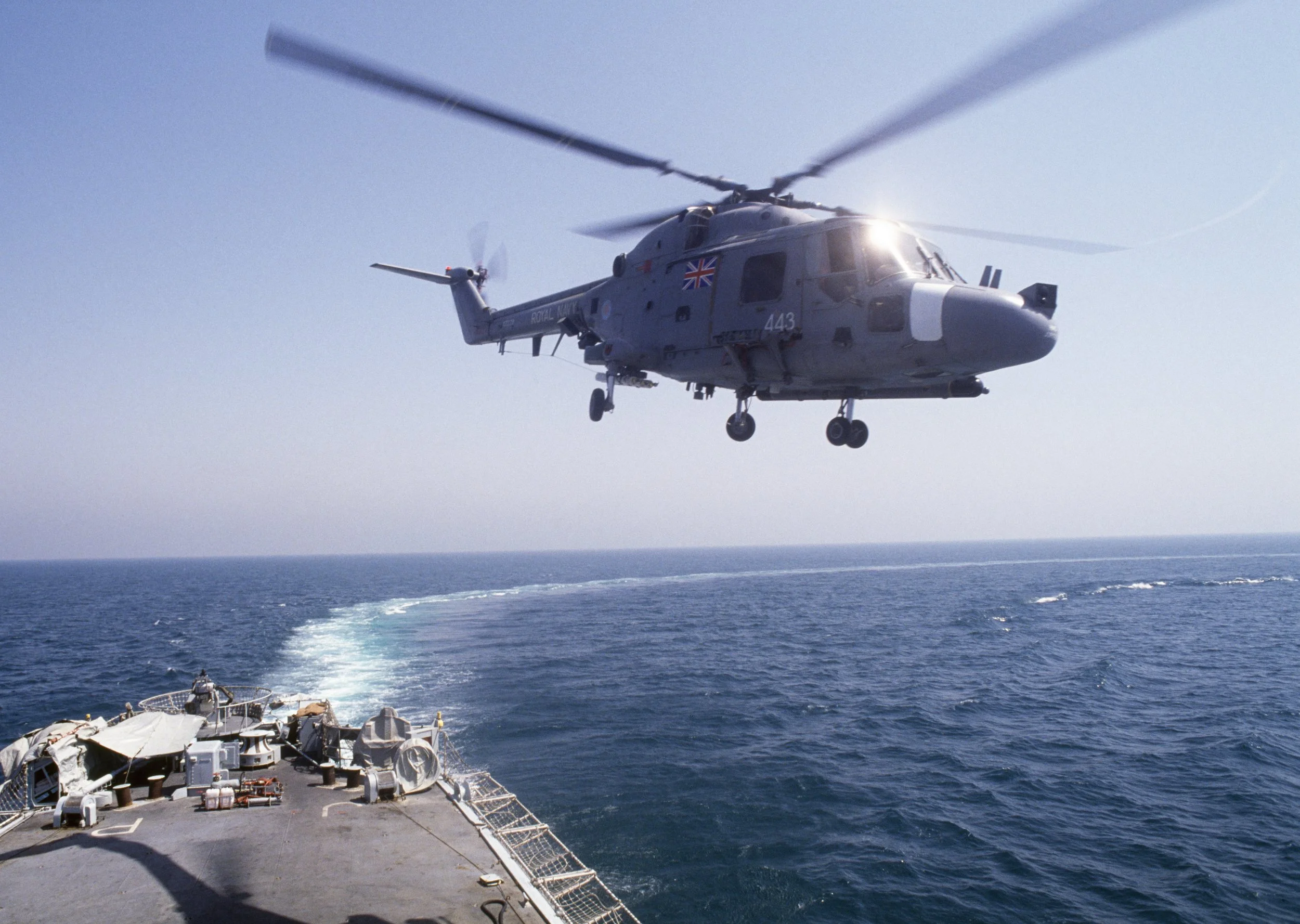
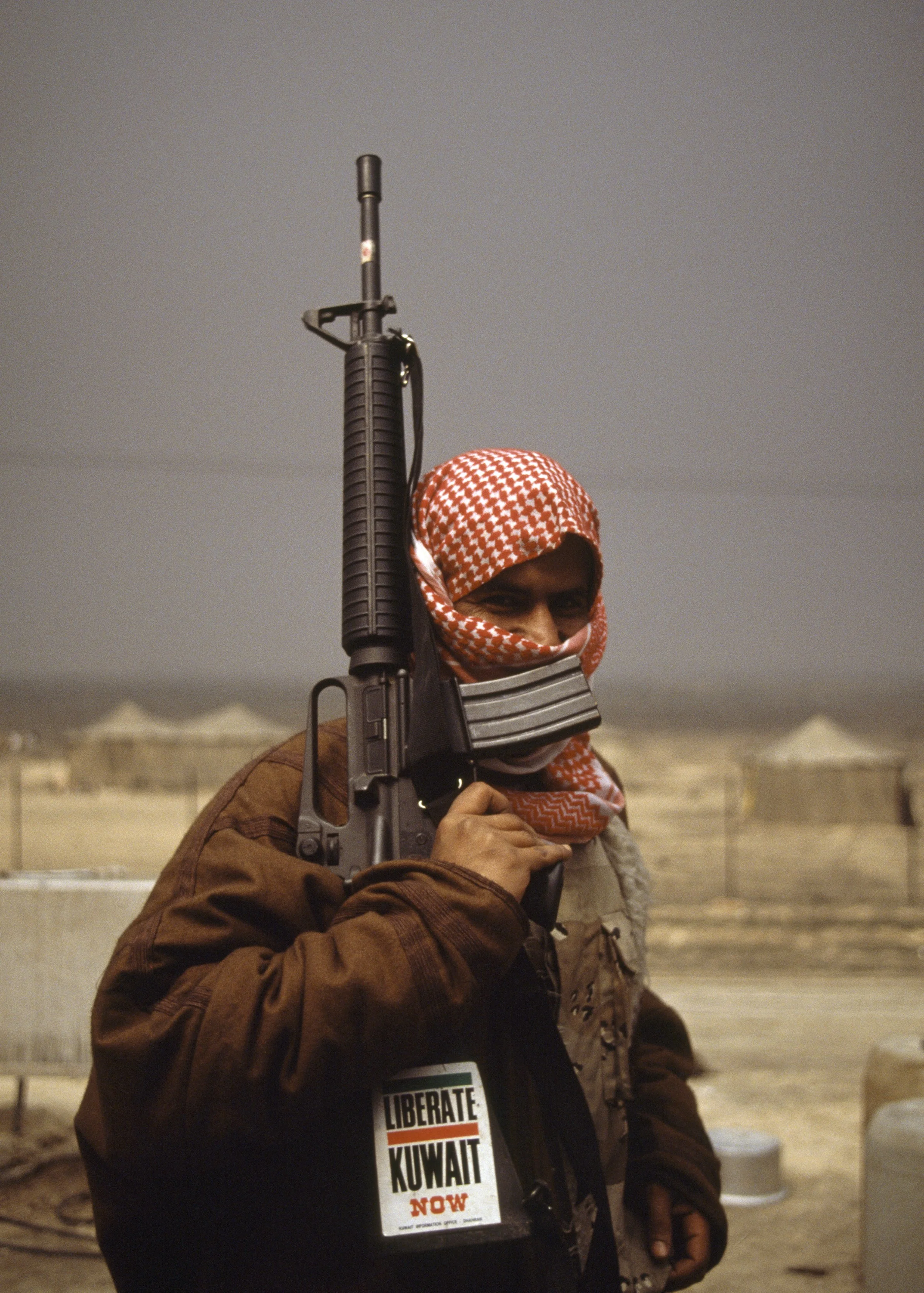
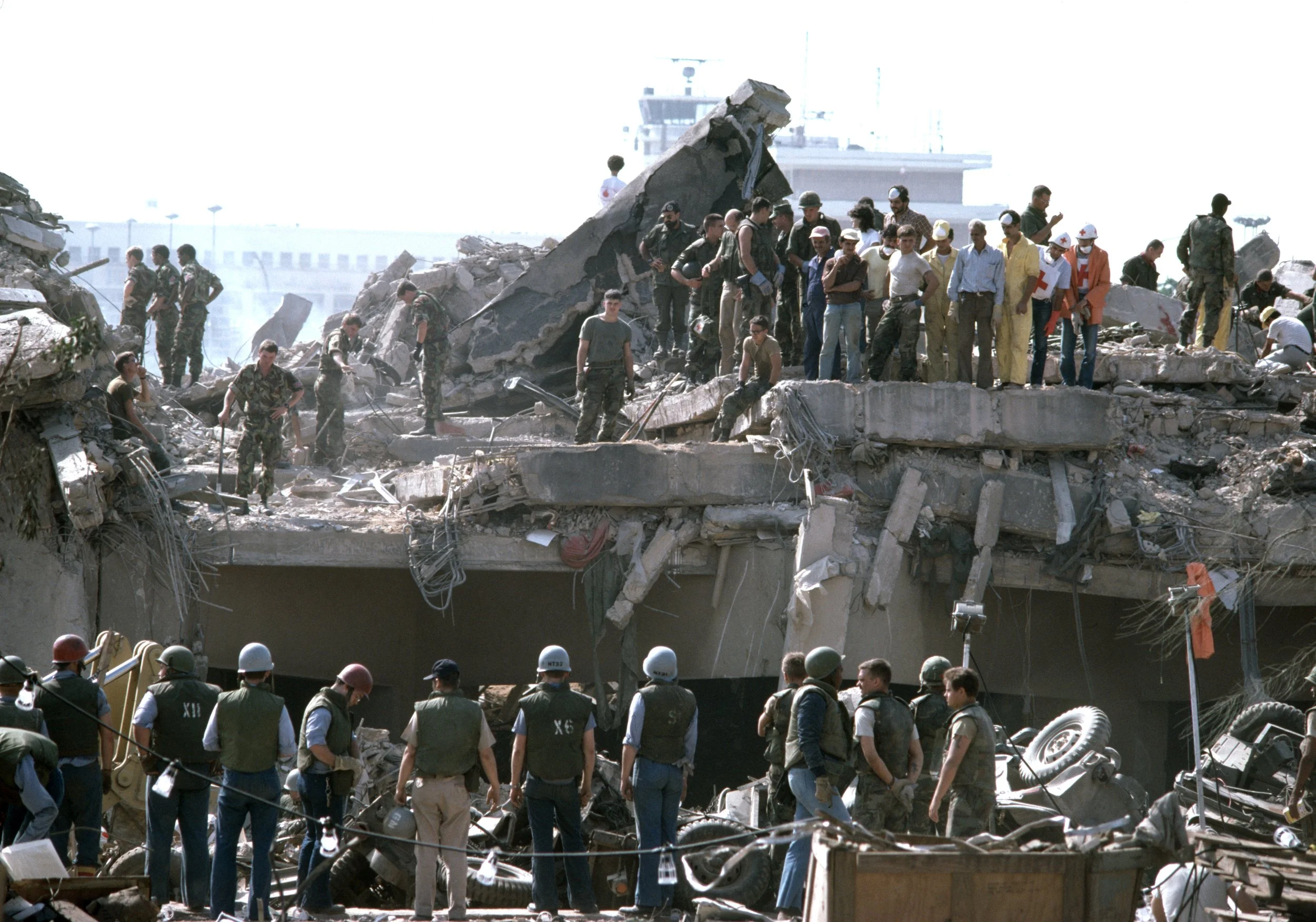
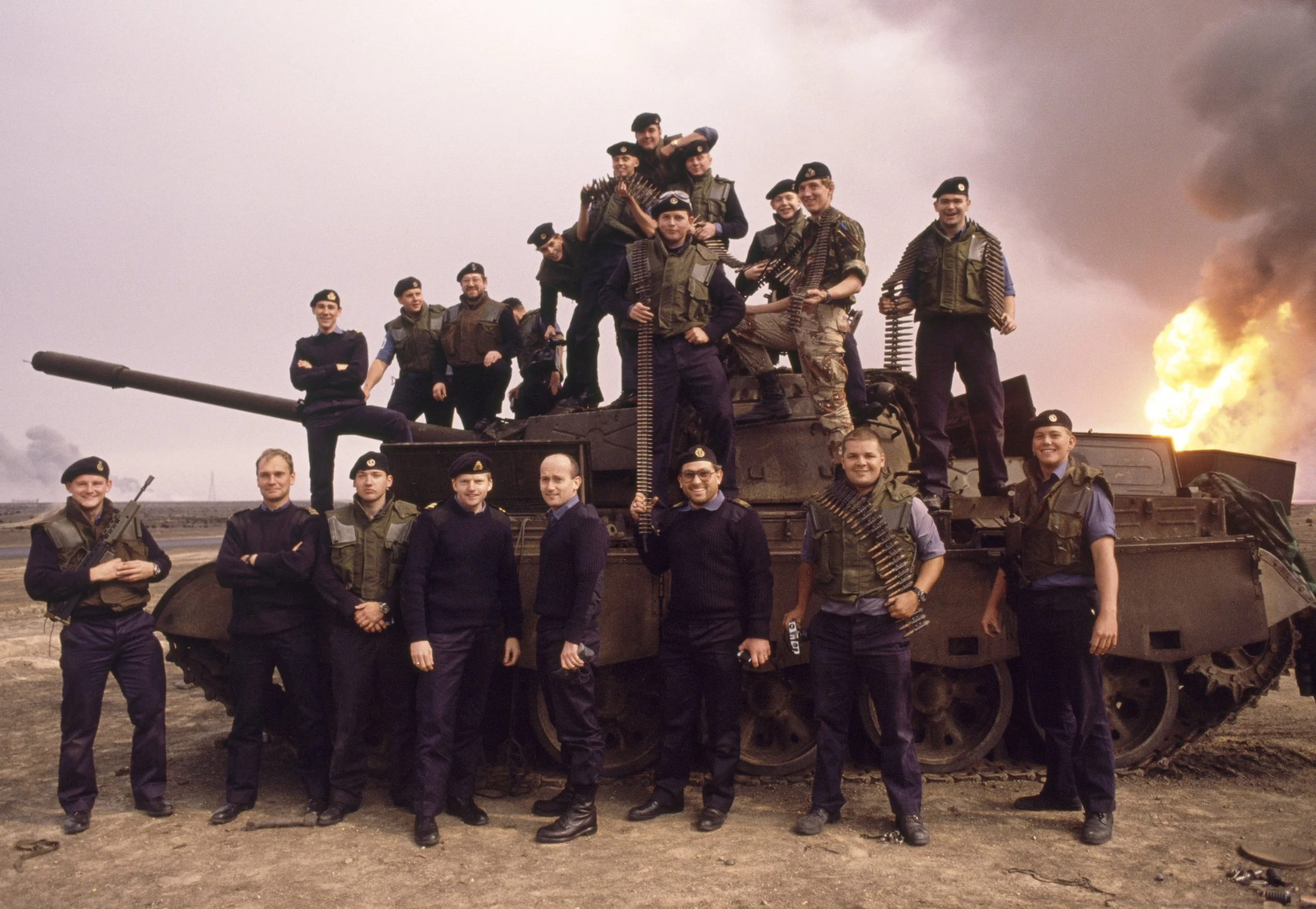
Over the next decade Jordan worked for TIME magazine, covering conflicts in Iran/Iraq and Beirut, as well as getting an exclusive photo session with Saddam Hussein.
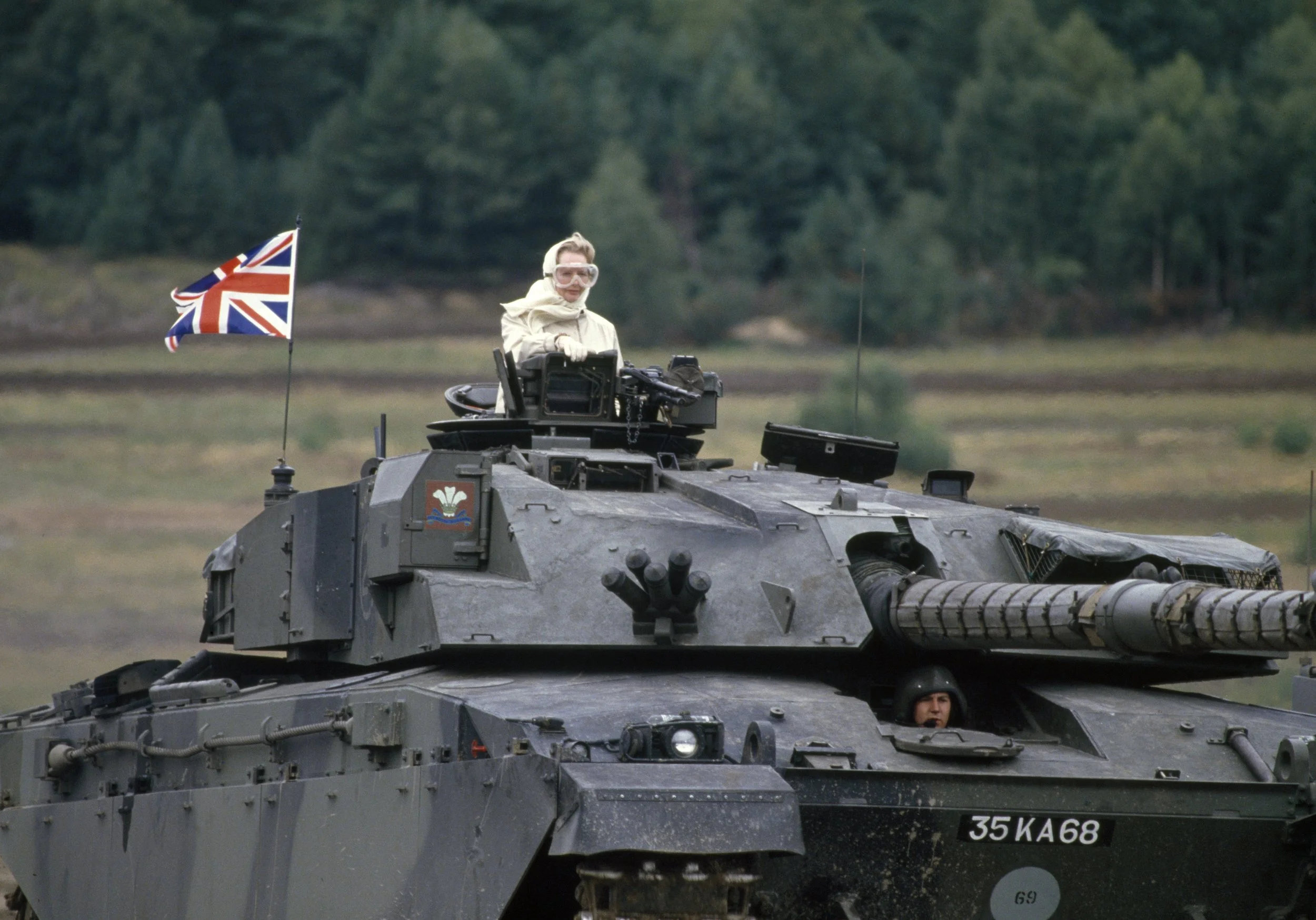
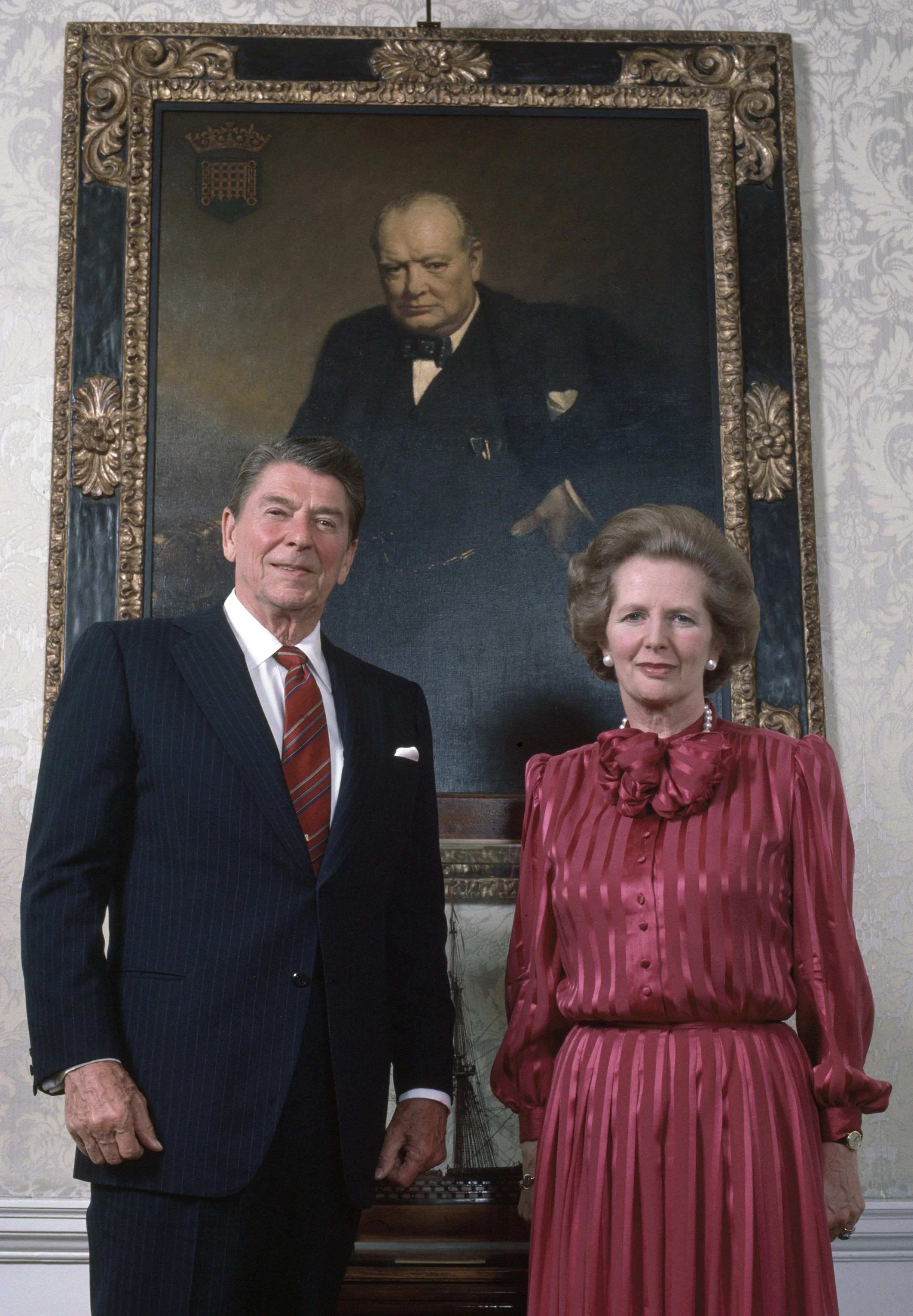
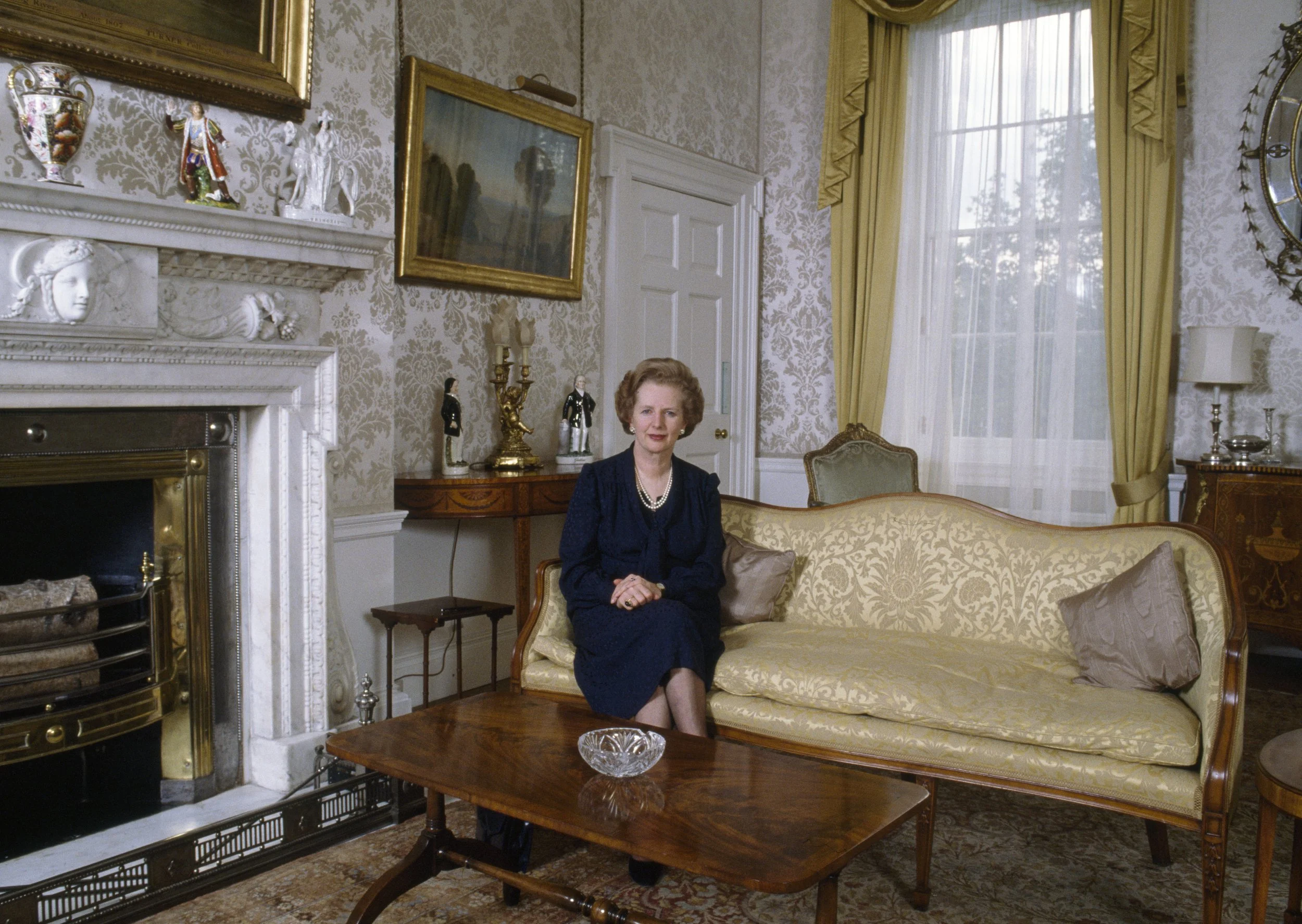
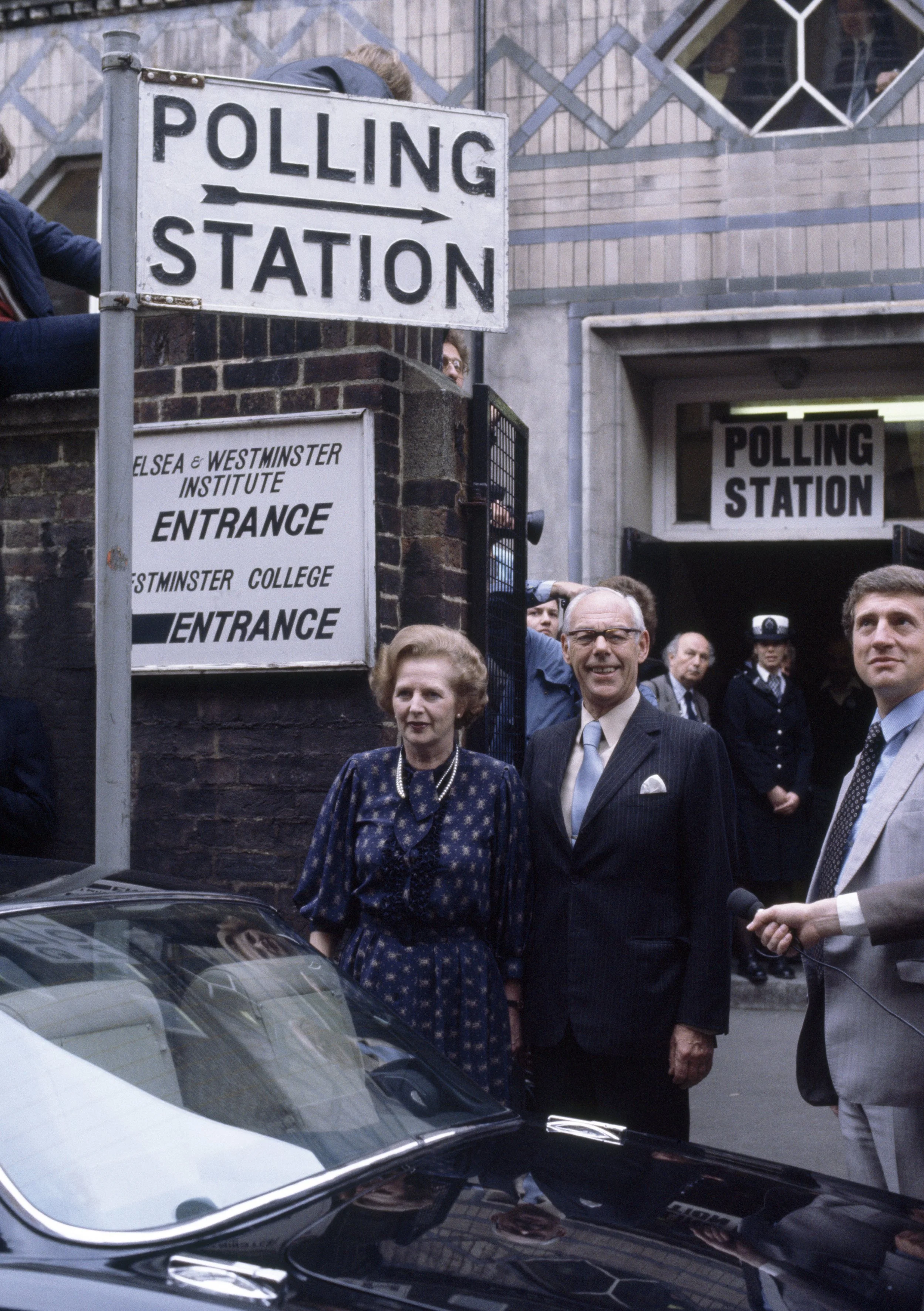
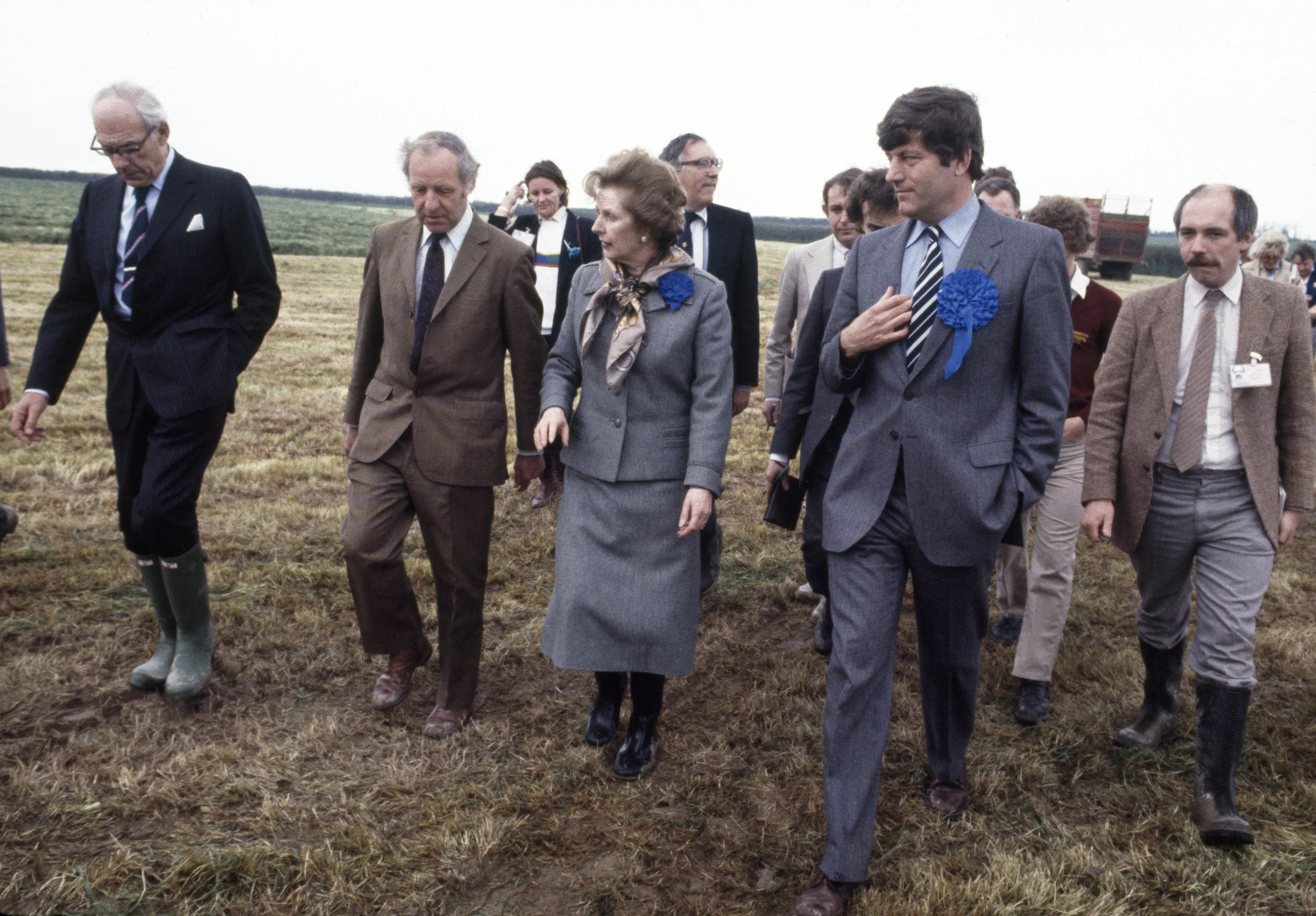
Between 1984 and 1987, Peter travelled extensively with Margaret Thatcher. His photograph of Thatcher in the Chieftain tank, headscarf on and goggles down is still widely used today.
In 1988, he joined the British photo agency – Network Photographers – and in 1989 he won Gold Medal at The International Photo Expo in Budapest.